

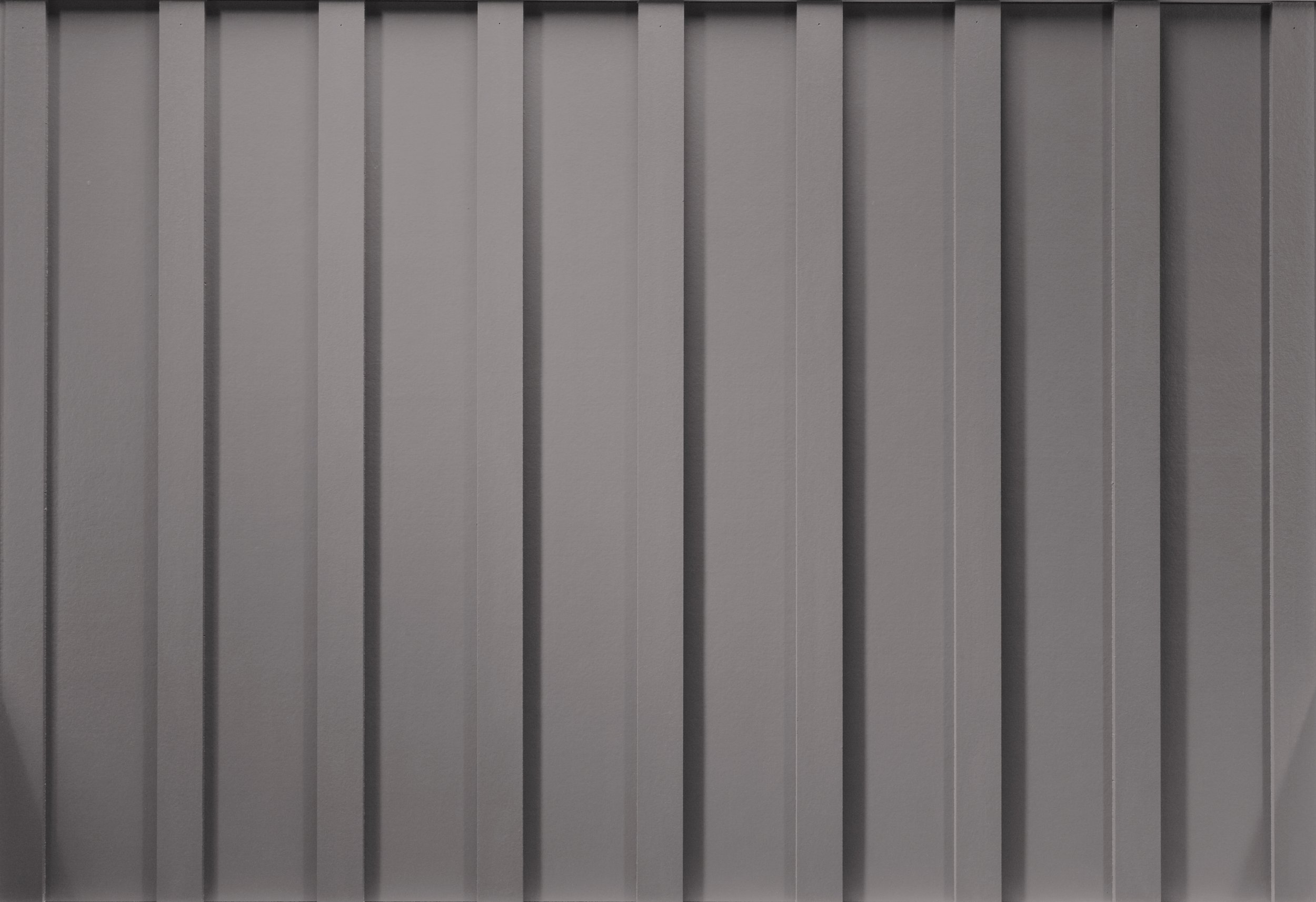
Educational overview of fiber cement siding, material composition, durability, and exterior performance considerations.
Fiber Cement 101
WHAT IS FIBER CEMENT?
Fiber cement siding is manufactured using four primary ingredients that work together to deliver strength, durability, and long-term performance.

Fiber cement siding is an exterior cladding material manufactured using Portland cement, sand, cellulose fibers, and water. These ingredients work together to create a durable, dimensionally stable siding product designed to withstand harsh weather exposure and long-term environmental stress.
Originally developed as a lower-maintenance alternative to traditional wood siding, fiber cement has become widely recognized for its durability, moisture resistance, noncombustible properties, and design flexibility.
James Hardie® fiber cement products are engineered specifically for regional climate conditions through the HardieZone® System, helping exterior materials perform more consistently in varying environments, including heat, humidity, rain, and seasonal weather changes common throughout Metro Atlanta and the Southeast.
Unlike many traditional exterior materials, fiber cement is designed to resist many of the issues commonly associated with long-term exterior exposure, including moisture-related swelling and warping, combustibility concerns, pest and woodpecker damage, expansion and contraction from temperature swings, and premature deterioration from prolonged weather exposure.
When properly integrated into a complete exterior system that includes flashing, weather barriers, drainage planning, ventilation, and manufacturer installation best practices, fiber cement siding can provide long-term durability and exterior performance.